Menopause can affect far more than your menstrual cycle.
Changes in sleep, energy, mood, body composition and recovery can make exercise feel different—even if you have been active for years. For some women, the routines that once worked suddenly feel less effective. For others, menopause is the point when they realise they need to start taking their strength and long-term health more seriously.
The answer is not necessarily more exercise, harder workouts or stricter dieting. Often, the most useful place to start is regular, well-structured strength training.
What changes during menopause?
During perimenopause and menopause, levels of hormones such as oestrogen fluctuate and eventually decline. The experience varies considerably between individuals, but common symptoms can include:
- Disrupted sleep
- Hot flushes
- Changes in mood
- Lower energy
- Joint discomfort
- Changes in weight or fat distribution
- Reduced confidence in your body
Declining oestrogen is also associated with changes affecting bone metabolism, muscle and fat distribution. This makes protecting muscle, strength and bone health increasingly important as we get older. The World Health Organization emphasises that menopause experiences vary and can affect long-term health as well as daily quality of life.
Why strength training matters
Strength training gives your muscles a reason to remain strong and capable.
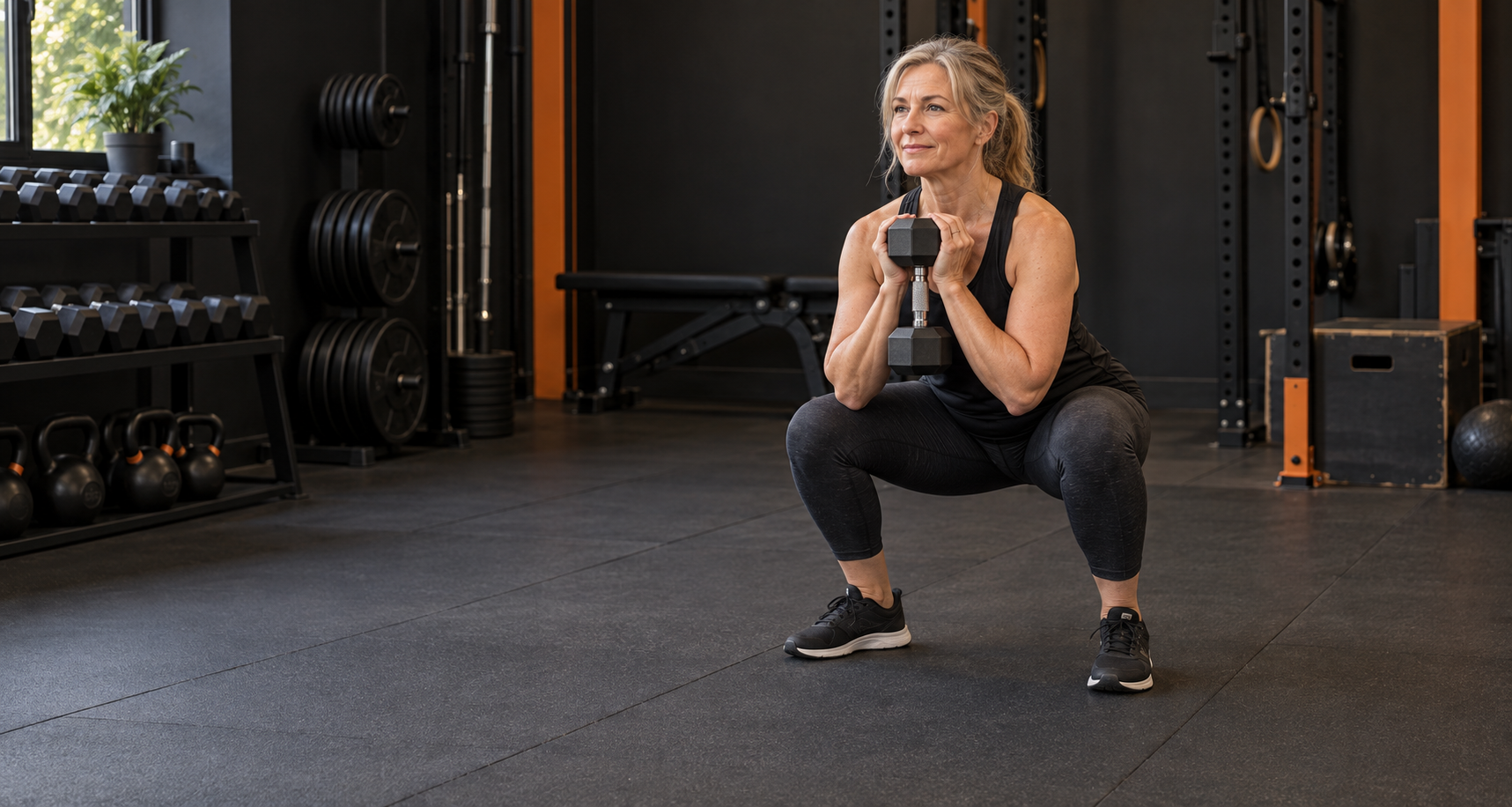
That doesn’t mean you need to lift extremely heavy weights or train like an athlete. It means gradually challenging your muscles through movements such as squats, presses, rows, deadlifts and suitably selected resistance exercises.
Regular strength training can help you:
Maintain and build muscle
We naturally tend to lose muscle as we get older. Strength training helps counter this decline by encouraging the body to retain and build muscle tissue.
This matters for far more than appearance. Muscle helps you climb stairs, carry shopping, get up from the floor and remain independent as you age.
Support your bones
Bone density becomes an increasingly important consideration during and after menopause. Weight-bearing activity and resistance training place controlled demands on the body, which can support bone health. The Menopause Society identifies resistance training as a form of weight-bearing exercise that may help slow bone loss and reduce fracture risk.
Exercise is an important part of looking after your bones, although it cannot guarantee that bone loss will be prevented. Anyone diagnosed with osteoporosis or at increased fracture risk should seek appropriate medical guidance before beginning a new programme.
Improve everyday strength
Progress is not limited to what you lift in the gym. You may notice that everyday tasks feel easier, your balance improves or you feel more confident moving your body.
These changes are often more meaningful than a number on the scales.
Support mood and sleep
Exercise is not a cure for menopause symptoms, but being physically active can support overall wellbeing. The American College of Sports Medicine notes that regular activity can benefit mood, sleep and cardiovascular health during the perimenopausal years.
Why doing more cardio isn’t always the answer
Cardiovascular exercise is valuable for your heart, fitness and general health. But it shouldn’t be the only type of exercise you do.
When weight changes during menopause, it can be tempting to respond by adding more cardio while eating less. This can create an exhausting cycle that is difficult to sustain, particularly if sleep and recovery are already affected.
A more balanced approach includes strength training, appropriate cardiovascular activity, sufficient recovery and sensible nutrition.
You do not have to choose between strength training and cardio. They perform different jobs and can work well together.
What about weight gain?
Weight and body-composition changes during midlife are rarely caused by one thing.
Ageing, activity levels, sleep, stress, eating habits, muscle mass and hormonal changes may all play a part. This is why there is no single “menopause workout” or diet that works for everybody.
Strength training can support muscle retention and change how your body feels and functions, but it should not be sold as a quick fix. Progress may also appear in your measurements, strength, clothing, energy and confidence before it appears on the scales.
How often should you strength train?
For many beginners, two or three sessions per week can be an effective and manageable starting point.
Current guidance from the American College of Sports Medicine stresses that consistency matters more than creating an unnecessarily complicated programme. Training the major muscle groups regularly and progressing at an appropriate pace is more valuable than constantly changing exercises or chasing the “perfect” plan.
The right frequency will depend on your experience, health, schedule and recovery. More is not automatically better.
Should training change during menopause?
There is no single training plan that every menopausal woman needs to follow.
Some weeks you may feel energetic and ready to progress. At other times, poor sleep, joint discomfort or fatigue may mean the session needs to be adjusted.
A good programme should allow for this without treating every difficult day as a reason to stop. Exercises, weights and volume can all be adapted while you continue building the habit of training.
The goal is not to punish your body. It is to work with it consistently.
You don’t need to be fit before you start
Many women delay strength training because they feel unfit, self-conscious or unsure how to use the equipment.
You are not expected to know what to do before receiving coaching. Learning the correct movements, starting with manageable resistance and progressing gradually are all part of the process.
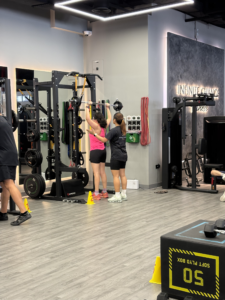
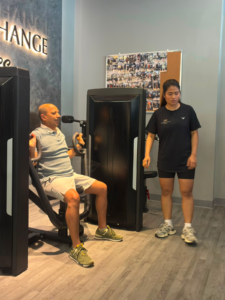
At Infinite Change Fitness, our Strength Foundation sessions are designed for beginners and people returning after a break. You train in a private, supportive environment, with coaching throughout and exercises adapted to your current ability.
Menopause may change how your body feels, but it doesn’t mean you have missed your opportunity to become stronger.
Ready to start building strength?
If you would like a supportive alternative to a large, intimidating gym, contact Infinite Change Fitness in Al Zeina, Abu Dhabi.
We’ll help you start at the right level, learn safe technique and build strength at a pace you can sustain.
Message us on WhatsApp to book your free trial.